My impact
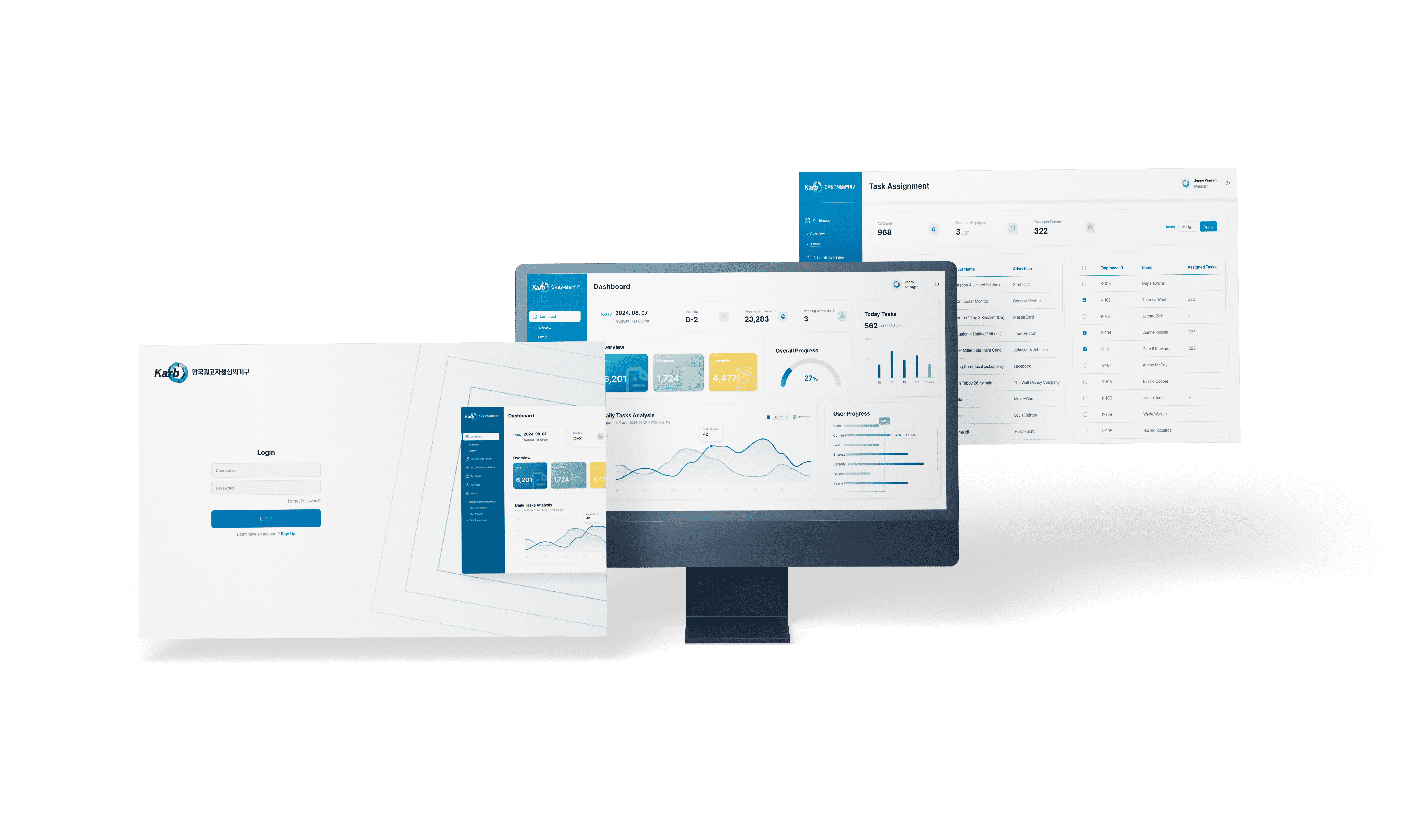
Led a cross-functional team of 12 members as both UX Lead and Acting Project Manager, transforming analog compliance workflows into an AI-powered digital system from ground zero
Overview
Korea's advertising regulatory system handles over 18,000 advertisements annually, with each compliance review requiring manual analysis that can take up to an hour per case. The Korea Advertising Regulating Board (KARB) was facing critical bottlenecks. Their team was spending 1,500+ hours monthly on repetitive text analysis, creating delays that could allow non-compliant ads to reach the public.
Process
Discover Problem
Through structured interviews with 9 stakeholders across 3 user levels, we identified critical bottlenecks that went beyond simple manual processing issues. The research revealed a complex ecosystem of inefficiencies that were costing KARB thousands of hours annually.
Critical Discovery: Memory-Dependent Workflows
The most significant insight emerged from understanding how reviewers actually worked: no centralized data system existed. Reviewers relied entirely on human memory to identify similar advertisements, leading to:
Repeated analysis of identical content across different submissions
Inconsistent compliance decisions for similar cases
Knowledge gaps when experienced staff were unavailable





Challenges
Beyond individual reviewer struggles, the research exposed systematic management challenges:
Manual task distribution without considering reviewer expertise or current workload
No visibility into individual progress or completion rates
Equal division of work regardless of case complexity or reviewer capacity
Quantified Impact Analysis
1,500 cases monthly requiring 60+ minutes each of manual analysis
Zero digital infrastructure for case tracking or historical reference
Team spending 1,500+ hours monthly on repetitive cognitive tasks
High error risk due to fatigue and memory limitations in regulatory compliance work
Our Solution
Strategic AI Integration for Regulatory Precision
The research findings pointed to a clear solution path: transform memory-dependent workflows into data-driven processes
while maintaining the human oversight essential for regulatory work.


Why LLM Technology?
Working with a specialized NLP startup, we leveraged Large Language Model capabilities specifically designed for regulatory text analysis. Unlike traditional rule-based systems, LLMs could:
Understand contextual meaning in advertising language beyond keyword matching
Learn from regulatory precedents to improve consistency across similar cases
Eliminate hallucination risks through confidence scoring and human verification loops
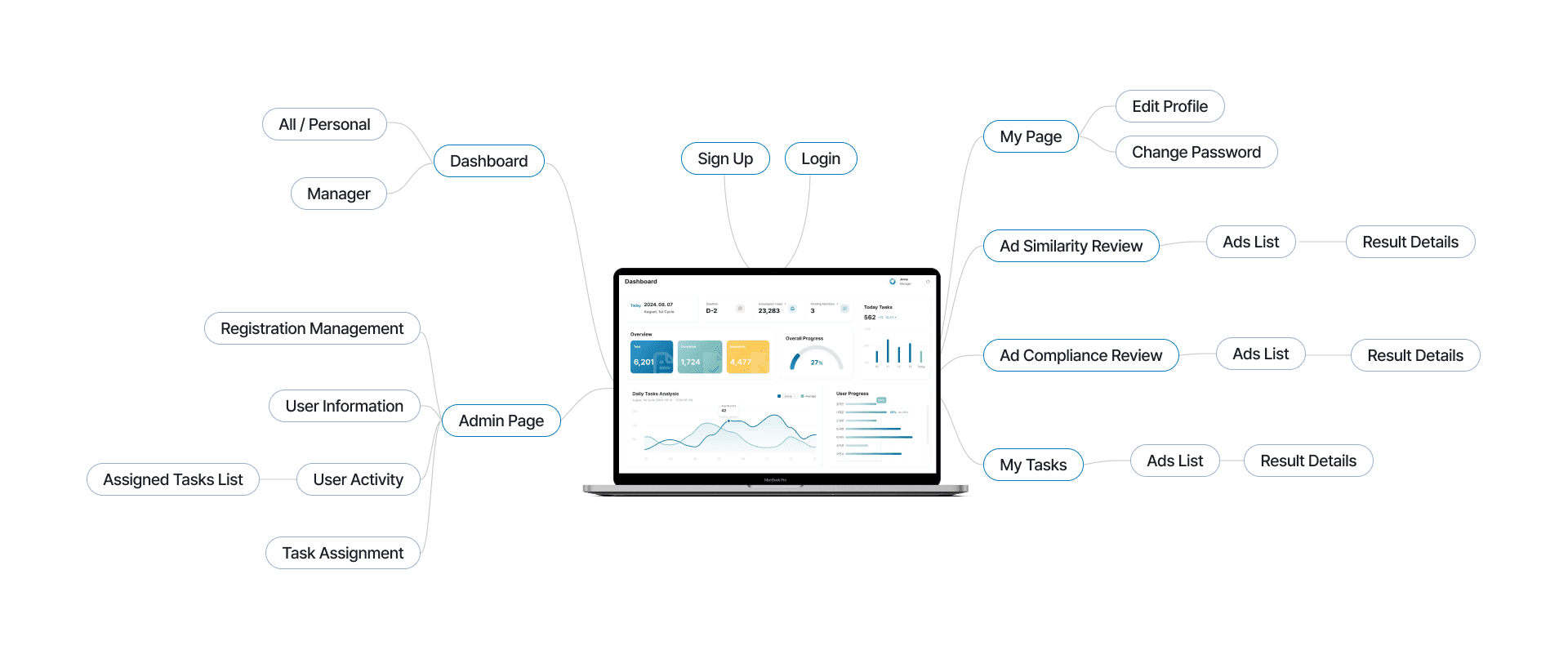
Information Architecture Design Principles
We designed the system architecture around four core UX principles:
1. Task-Oriented Hierarchy
Organized workflows around reviewer mental models rather than technical system logic
2. Progressive Disclosure
Surfaced critical compliance flags immediately while keeping detailed analysis accessible on-demand
3. Cognitive Load Reduction
Automated repetitive analysis tasks while preserving human decision-making authority
4. Data Visualization Priority
Transformed abstract compliance metrics into visual progress tracking for both reviewers and managers

Service Keyword
Precision-First AI Compliance Platform
Regulatory-Grade Accuracy
Zero-tolerance for AI hallucination through dual-verification protocols and confidence thresholds
Intelligent Workflow Orchestration
Smart task distribution and progress tracking that adapts to team capacity and case complexity
Cognitive Augmentation
AI amplifies human expertise rather than replacing regulatory judgment, ensuring compliance integrity
Design System
Building AI-Regulatory Design System from Scratch
As the sole architect of this comprehensive design system, we created the foundational design language for AI-powered government compliance platform—a system that had no existing precedents or reference points in the regulatory technology space.
Technical Innovation Within Government Constraints
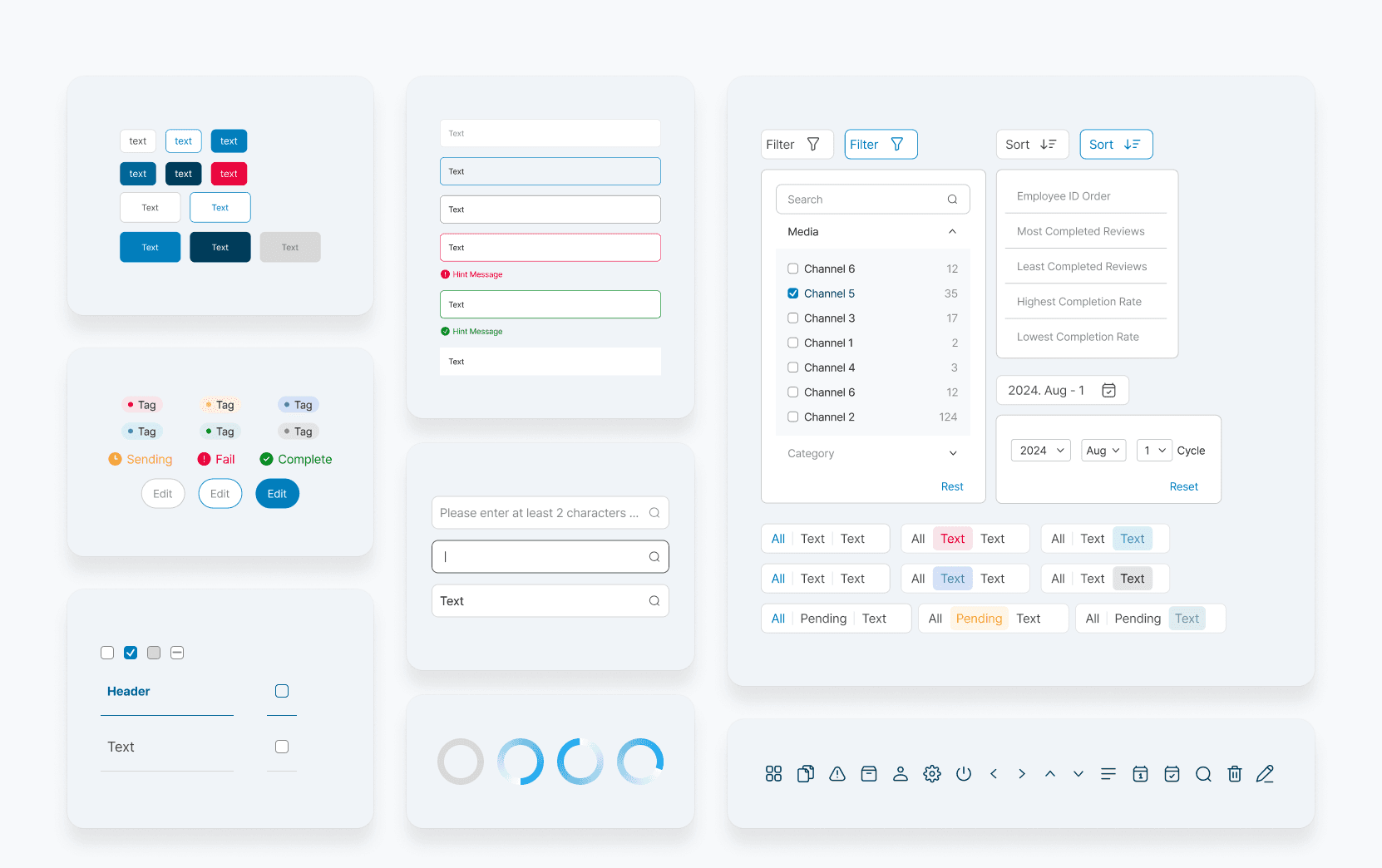
Working within strict Korea Design System (KRDS), we designed a system that balanced regulatory conservatism with modern usability needs. This required creating:
Typography hierarchy optimized for dense regulatory text while maintaining readability across long review sessions
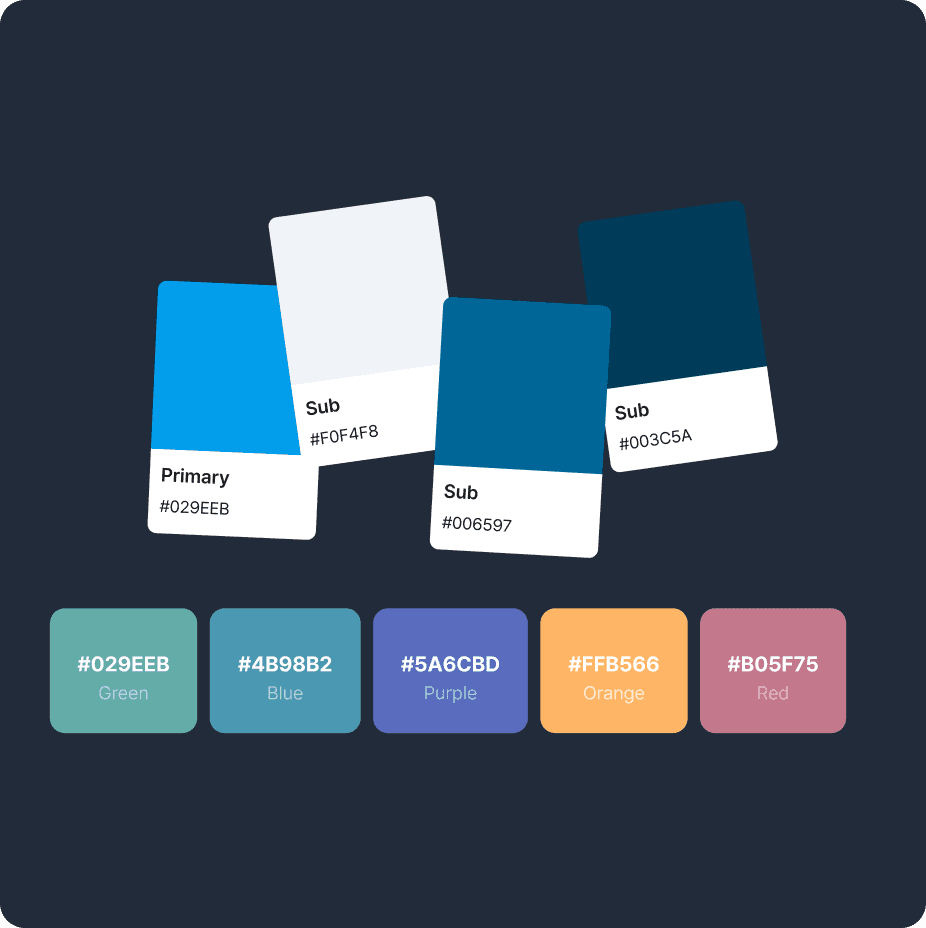
Color palette that met government contrast requirements while providing clear visual distinction between compliance statuses
Iconography system that could represent complex regulatory concepts intuitively for both novice and expert users
Component library spanning data visualization, task management, and AI-confidence indicators
Cross-Functional Design Implementation
We collaborated directly with front-end and back-end developers to ensure every component was technically feasible and performant. This included:
Responsive design specifications for desktop-first workflows while maintaining mobile compatibility
Interactive state definitions for AI-processing indicators and real-time status updates
Impact-Driven Design Decisions
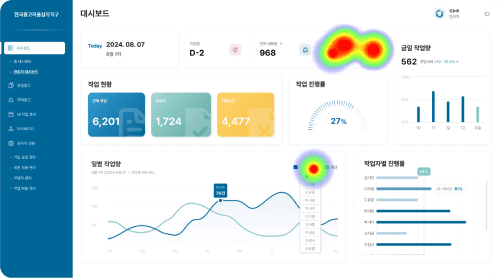
Each design element was validated against user research insights. For example, the dashboard's progressive disclosure pattern directly addressed reviewers' cognitive overload concerns, while the workload visualization system solved managers' task distribution challenges identified during stakeholder interviews.
Scalable Foundation for Future Development
This design system created a reusable foundation that could accommodate future AI features and regulatory requirements, establishing design patterns that other government AI initiatives could reference and adapt.

Outcome
Validating Design Impact Through Rigorous Testing and Real-World Implementation
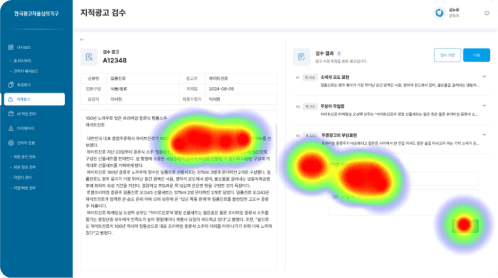
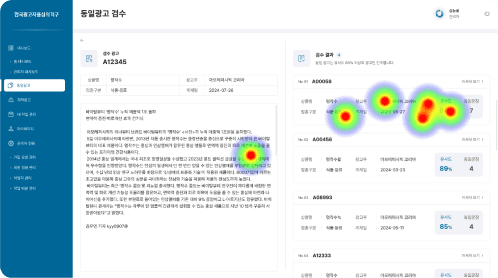
I designed and led a comprehensive testing methodology using Maze for remote usability testing, serving as lead interviewer while coordinating with note-takers and moderators. This systematic approach allowed us to validate our core hypothesis: could we actually reduce 60-minute manual reviews to 5-minute AI-assisted processes without compromising accuracy?
100%
Task Completion Rate
80%
User Satisfaction
91.7%
Workflow Efficiency Improvement
5%
Error Rate
Through systematic analysis of user interactions, we identified and resolved three key usability challenges:
1. Cognitive Overload in AI Confidence Interpretation
Issue: Users struggled to understand AI confidence scores in regulatory context
Solution: Redesigned confidence indicators using familiar regulatory language ("Requires Review" vs. "Likely Compliant")
2. Task Priority Confusion in Dashboard View
Issue: Managers couldn't quickly identify urgent cases requiring immediate attention
Solution: Implemented color-coded priority system with deadline proximity indicators
3. Progress Tracking Visibility for Individual Reviewers
Issue: Reviewers wanted clearer visibility into their daily/weekly completion rates
Solution: Added personal productivity dashboard with historical performance trends
Real-World Implementation Impact
Post-launch validation confirmed our design success:
Monthly time savings:
1,375 hours saved across the team (from 1,500 hours to 125 hours for same workload)Improved work-life balance:
"I can actually leave the office on time now" - ReviewerEnhanced management visibility:
"I can see everyone's progress in real-time and distribute work more fairly" - Team ManagerScalability proven:
System successfully handled peak loads of 2,000+ cases during high-advertising seasons
Retrospective
"This project taught me that government UX is fundamentally different. The hard part wasn't the AI integration, it was getting people who'd worked the same way for years to trust a completely new system. Working within government constraints actually helped me focus on fundamentals rather than trendy design patterns. The 91.7% efficiency boost came from straightforward improvements like better task organization, not flashy features. Building everything from scratch was challenging since there was no existing system to reference, but it forced every decision to be deliberate. I learned a lot about balancing AI automation with the human oversight that regulatory work demands. Looking back, I wish I'd gathered more baseline data upfront and hadn't taken on both UX lead and project management roles. But the experience convinced me that traditional industries embracing AI have huge potential for meaningful impact when you get the UX right."
